Home » Articles posted by helpingbrainz (Page 14)
Author Archives: helpingbrainz
Recent Events »
-

#170 – 14th Cyber Security and Cyber Crime Awareness Session, at Ambalika Institute of Professional Studies.
-

#169 – 13th Cyber Security and Cyber Crime Awareness Session, at KVPF Kerala
-

#168 – 12th Cyber Security and Cyber Crime Awareness Session, at SKIET Kurukshetra
-

#167 – 11th Cyber Security and Cyber Crime Awareness Session at PaGE, Ranchi and Hyderabad
-

#121 World Compliment Day at Sahara Old Age Home
-

#120 New Year Eve celebrations at Jivodaya and Sai Sahara
-

#119 Educational Counselling at Hamara Kartyav
-

#118 Ujjwal – a Day with Chotus – Noida Sector 62
-

#117 Helping Brainz Green VEINS at GBM, Dwarka
-

#116 2019 Mother’s Day at Jeevodaya Ashralayaa
-

#115 CrafTShaala 2019 – Kizhadoor, Thrissur (An empowerment session for the flood effected women)
-

#114 VanitaJyoti Kochi 2019, A workshop on Women Entrepreneurship and Empowerment.
-

#113 New Year Celebrations with the grandmas and grandpas of Sai Sahara.
-

#112 Phase#2 Clothes Donations Drive at West and Central Delhi, on New Year Eve.
-

#111 Phase#1 Clothes Donations Drive at West and Central Delhi, on Christmas Eve.
-
#110 Workshop on ‘being a leader’ at Government School in Badshahpur
-

109# Creative-Crafts Making workshop by Mini Sajan at Annamanada.
-

#108 VanitaJyoti – Annamanada
Ujjwal – A Day with Chotus at UnnatiKiRah, Pochanpur, Dwarka
“If we are to teach real peace in this world, and if we are to carry on a real war against war, we shall have to begin with the children.” – Gandhiji
Though we have touched more than 5000+ little hearts unofficially in our 32 months career (137 Saturdays of Community Service) , 4/18/2015 witnessed the most significant one when Team Helping Brainz in association with UnnatiKiRah ( A Dwarka, Delhi based NGO ) touched around 100 little hearts from the slums of Pochanpur Village, Dwarka, Sector 23. The kids and their parents make their livelihood by picking rags. Though kids study in the government schools (or in the MCD Schools) in the nearby areas, they spent time on rag picking, segregating the same etc.
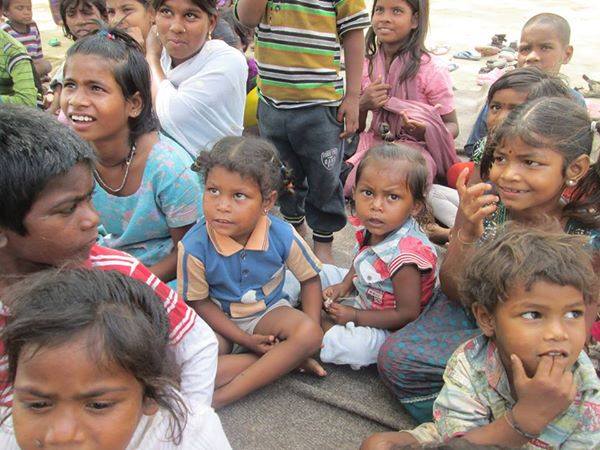
HelpingBrainz.Org in association with UnnatiKiRah conducted “Ujjwal- A Day with Chotus” which included:-
– Paint Your Dreams, painting competition;
– Recitations and dances by the little ones ;
– Distribution of School Stationary Items (A Notebook, Pencil, Sharpener, Eraser and Crayons each);
– One time meal programme;
– Health Awareness talks by BHB Team, Apollo Hospital.
What hence:-
– After 21 days we would be conducting the prize distribution programme,
– On the 45th day we would be launching the classroom network named ‘TeachWithHelpingBrainz’ programme,
– Renting a school which would be acting as post-school shelter for the children.
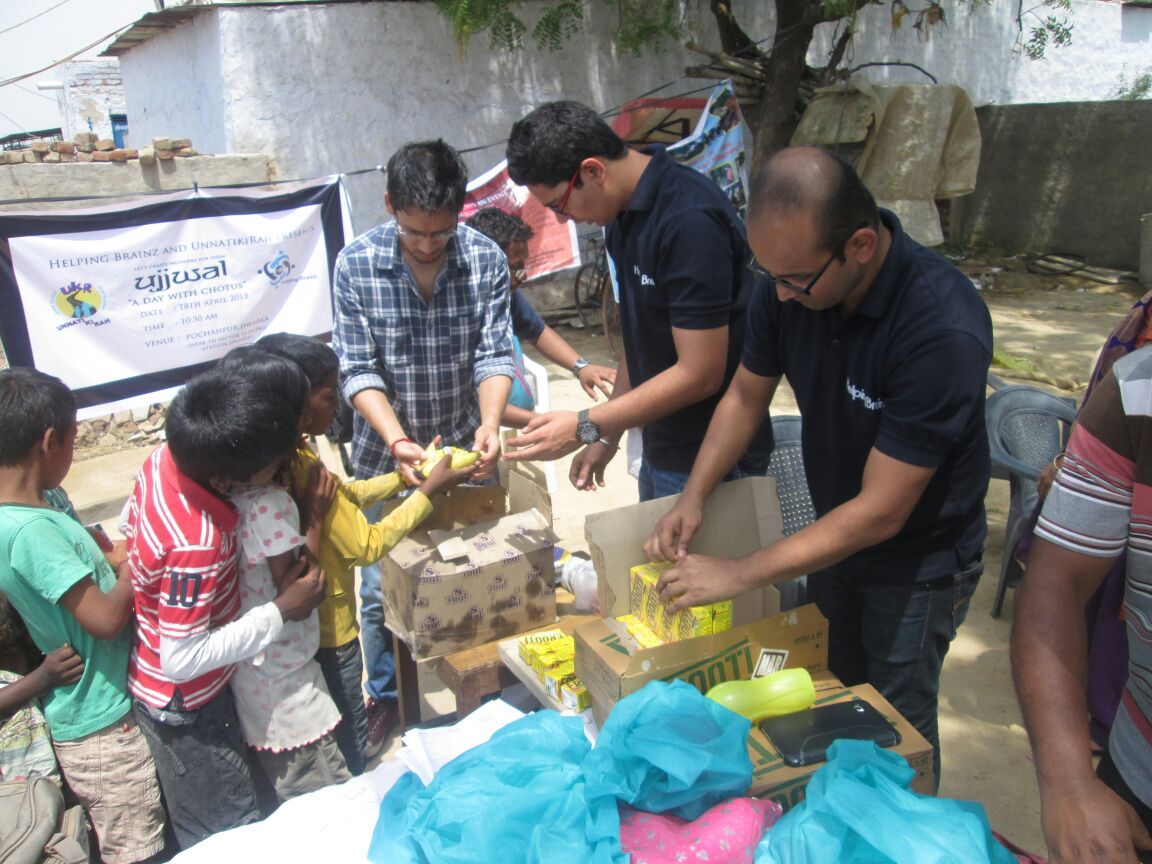
We at HelpingBrainz are blessed with a team of volunteers and Helping Brains who are best when it comes to imparting affection and healing. The programme was orchestrated by Ravi Prakash ( Thë) (Project Leader, CEP-HelpingBrainz.Org), Supported by Pankaj Jha, Shubhangi Srivastava, Kumar Madhuraj (our motion capturer), Ragini Singh, Pratik Raj Bishen, Gitanshu Khurana ( all Project Leaders, Helping Brainz ).
We are really thankful to the entire UnnatiKiRah crew including the founding member Stella Ma’am who helped us in reaching out to the kids. We also take this opportunity to acknowledge the sincere efforts by Garima Kohli and Shubhangi Singhal (from BHB Team) who helped us in conducting the health-awareness sessions, Swati Saini, Ashish Adlakha and Shally Arora – the event sponsors, Sanjay Deb Sir – who even in his busy schedule made some time and paid a visit and helped us by being one among us, Ruchir Sajwan and Nikita from Ameriprise Financials, Gurgaon who volunteered to their best.
I am blessed to be a Helping Brainz. #blessed2bahelpingbrain
Swachta Vriksharopan Abhiyan ( Cleanliness Drive) – Nithari – April 11 2015
We cleaned the Government School in Nithari on April 11, 2015
- FLASHBACK!
On 5th April Sunday afternoon, when I visited to Nithari Village, to supervise an educational counselling, conducted by Somi (Project Head, Internal Learning and Educational Counselling, HelpingBrainz.Org), me and Vimlesh Aunty walked through the silent verandahs of the lonely government school of Nithari, feeling the naturalism where the underpriviledged children undergo their elementary education, feeling disappointed after seeing the stagnant drainage systems and mosquito generating ponds, uncleansed classrooms/assembly ground/gardens, which the so called government ‘servants’ are not interested to clean upon.
I felt the helplessness of a child to express his right for sanitation, cleanliness and hygiene in the silent school. ‘How can a child study in such an environment’? I witnessed a lady village head’s urge for clean environment, however also understood the lack of cooperation of the government officials.
When I heard Vimlesh Aunty, requesting someone to clean the school, I stopped her and said ‘HelpingBrainz will clean this school for you’, I mentioned to her that, ‘it’s my wish to have my little siblings learn in a clean environment, though their teachers to be honest don’t want’.
- THE GAMES HERE!
I immediately telephoned, my friend Swati (VP, Environmental & Elderly Care Projects – HelpingBrainz.Org) – to design the programme, Abhinav Vikash (Abhinav works for HCLT Foundations, he’s one whose heart beats for the community equally) and Purnoor (Our designing spearhead) and we fixed the event (Cleanliness Drive) in 10 mins, and gave heartwarming confirmation to the village-head to support her in this mission to clean the school.
CLEANLINESS DRIVE ON 11TH April 2015 at 12:30 PM, at Government School Nithari
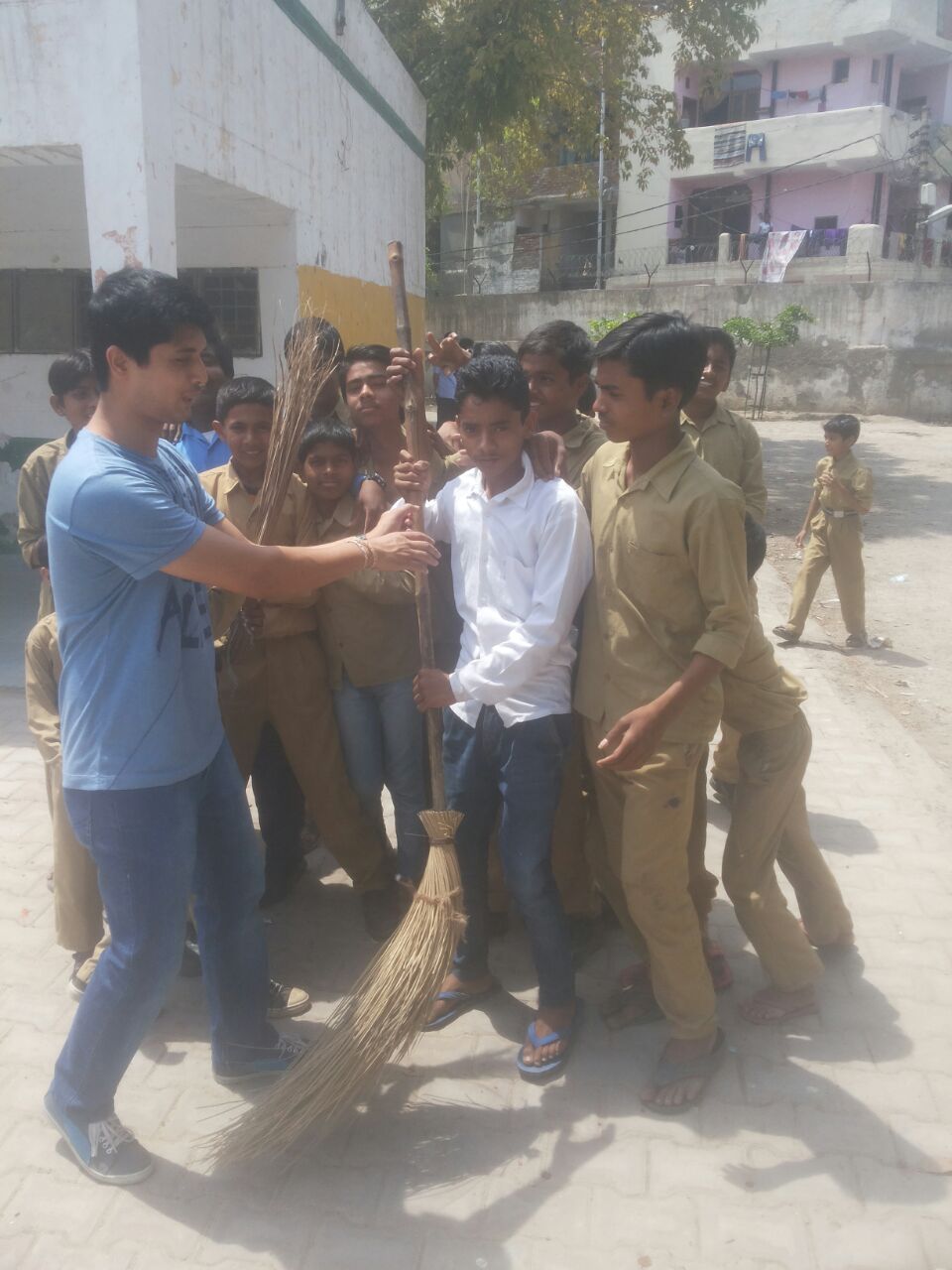
We took brooms, yes we all took brooms, spades etc with a mission to clean the school.
- The entire school premise was swept and garbage transported to a dumping ground,
- The school garden was cleaned,
- The school verandahs was washed,
- The drainage systems was opened and stagnant mud was removed,
- The school’s water pumping system was cleaned,
- After all created an awareness of cleanliness among the children.
Who all joined hands for this noble cause:-
- A team of wonderful children from Government of School, who will be awarded with “Certificate of Participation” by HelpingBrainz.Org
- Vimlesh Sharma, Gram Pradhan Nithari
- Ajit Mahapatra, Swati Saini, Shally Arora, Kumar Madhuraj, Gitanshu Khurana, Pankaj Jha and Yedhu from HelpingBrainz.Org
- Abhinav Vikash, Arvind Kumar Singh, Safder Wahab from HCL
- Sohanveer Tyagi from The-Change Team
Our sincere thanks to Vimlesh Aunty, Children of the School, Volunteers, Purnoor for the designs and Vineeth (for masks and gloves)
Some Artifacts
- A tree-plantation campaign would happen shortly in the school!
- Org, HCLT Foundations and would be together distributing dustbins to all the residents of the village and making it compulsory for them to throw the garbage in the bins, thereby ensuring cleanliness.
Rural Educational counselling – Nithari April’15
An educated man can #makeadifference.
To bridge two inhabited lands, we need a capable architect, however we need a coterie of educated human beings to traverse a country from darkness to enlightenment.
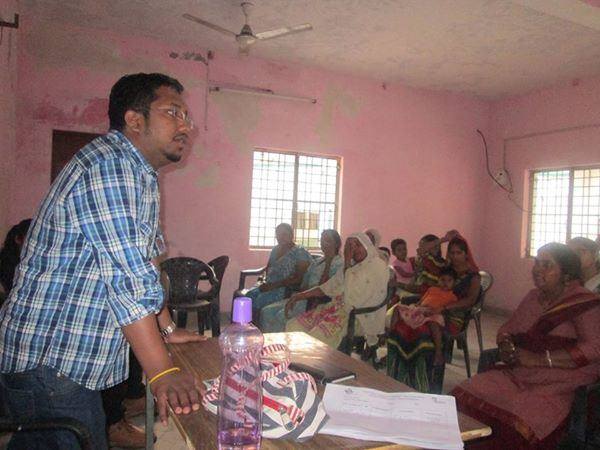
With a mission to enlighten this country, by empowering the rural population, HelpingBrainz launched the Rural Educational Counselling, a programme aimed to cater knowledge about various courses, employment opportunities, short time courses, certification programmes, government’s educational establishments. Around 20 smart ladies ages between 15 to 60 attended the programme held at the panchayat bhawan, Nithari. Nithari gram pradhan Shri Vimlesh Sharma inaugurated the event.
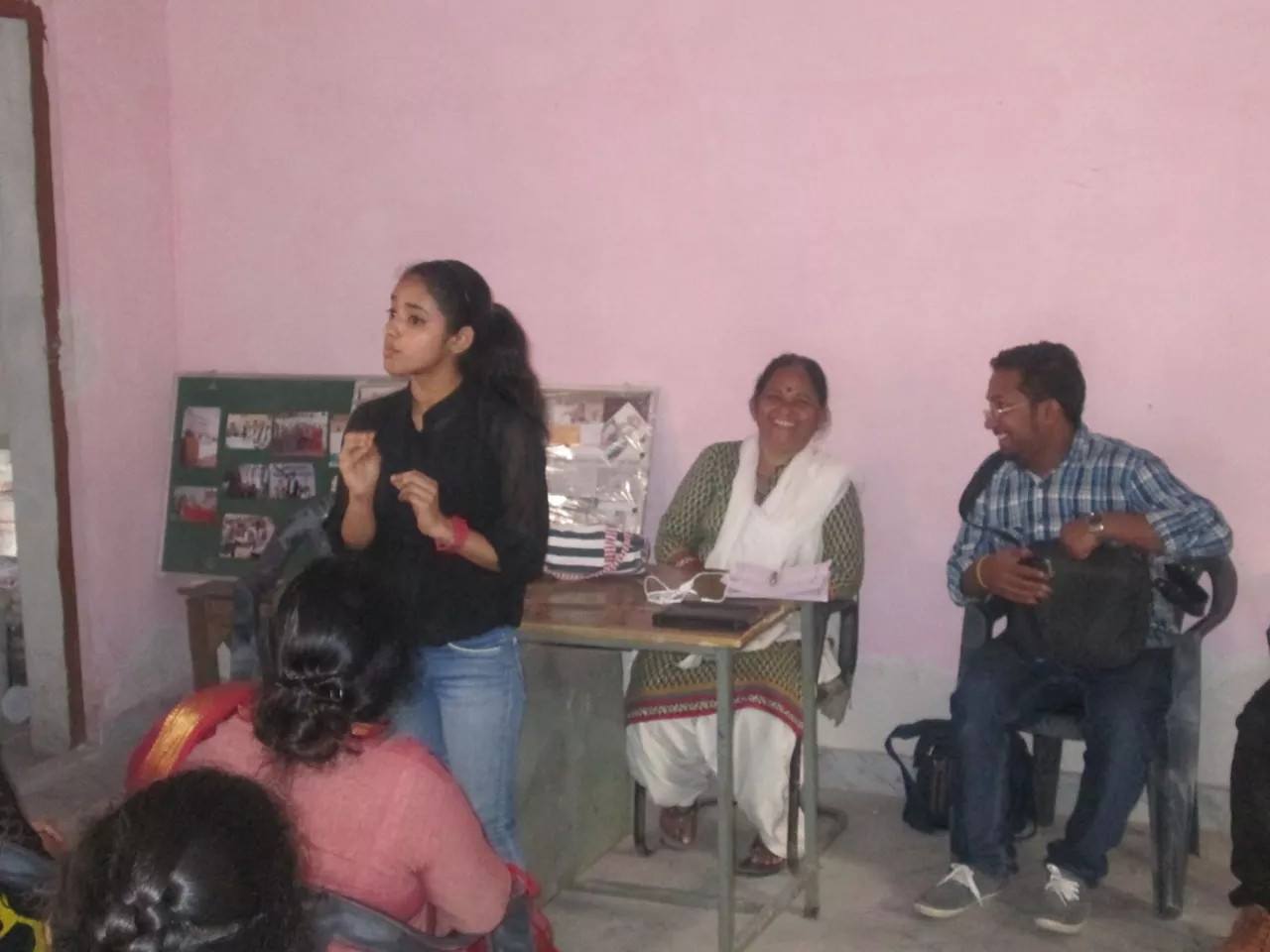
From Helping Brainz we had our smart kids on field, Kumar Madhuraj – the helping brain who managed the event, Shubhangi Srivastava, the youngest among us however a born change maker, and the one and all Somi Shukla, the man behind the event and YedhuKrishna Menon
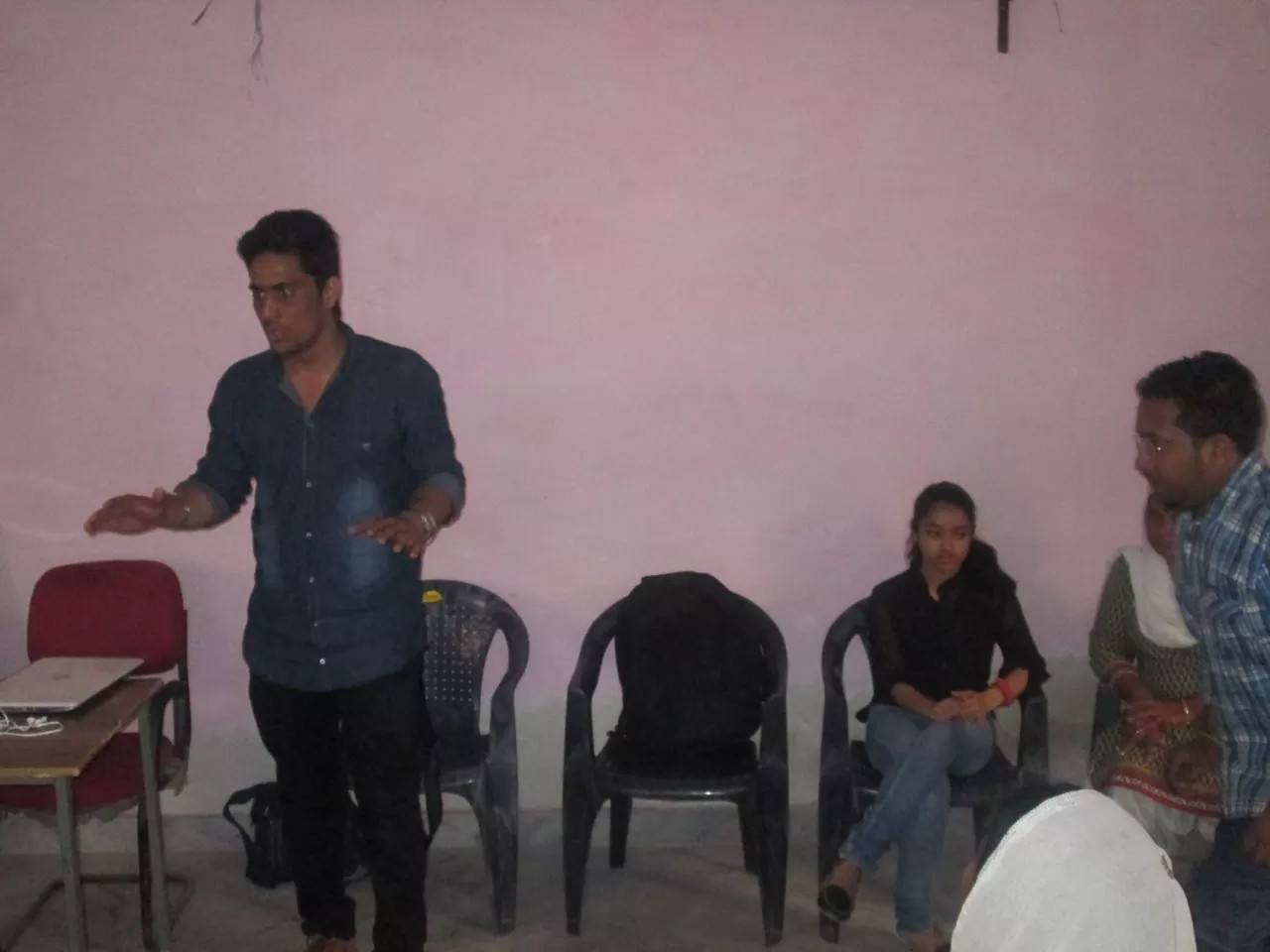
Next Sunday afternoon we would have the second part of the event.
ChaipeCharcha – Madanpur Khadar
<<ChaipeCharcha – Madanpur Khadar, 3/28/2015>>
“Behind every successful man, there is a strong, wise and hardworking woman” Really J?
What if the % of the above mentioned strong, wise and hardworking homo sapiens decrease, successful men’s % will ……..?
Huh!!
The present day human mentality against the noble and sincere, wrapped with shiny coverings (which is beautiful in appearance) however darkened at the core, would definitely decrease the development of the nation, since we won’t have women at all.
We don’t know how far we would be successful in this phenomenon of “re-programming the human mentality and empowering the women by making them understand their rights by imparting vibes of confidence”, we yesterday (3/28/2015) conducted “ChaipeCharcha” at Madanpur Khadar Village of South East Delhi. Madanpur Khadar is located at the banks of Kalindi River (or Yamuna), where we have a coterie of inhabitants or refugees from different parts of India. The population mainly consists of underpriviledged (BPL) families, where the women especially are home makers, and their husbands work as guards, drivers, fruit & vegetable vendors; however few (countable) children aim high to become designers, doctors, teachers and engineers, plus Airhostess 🙂
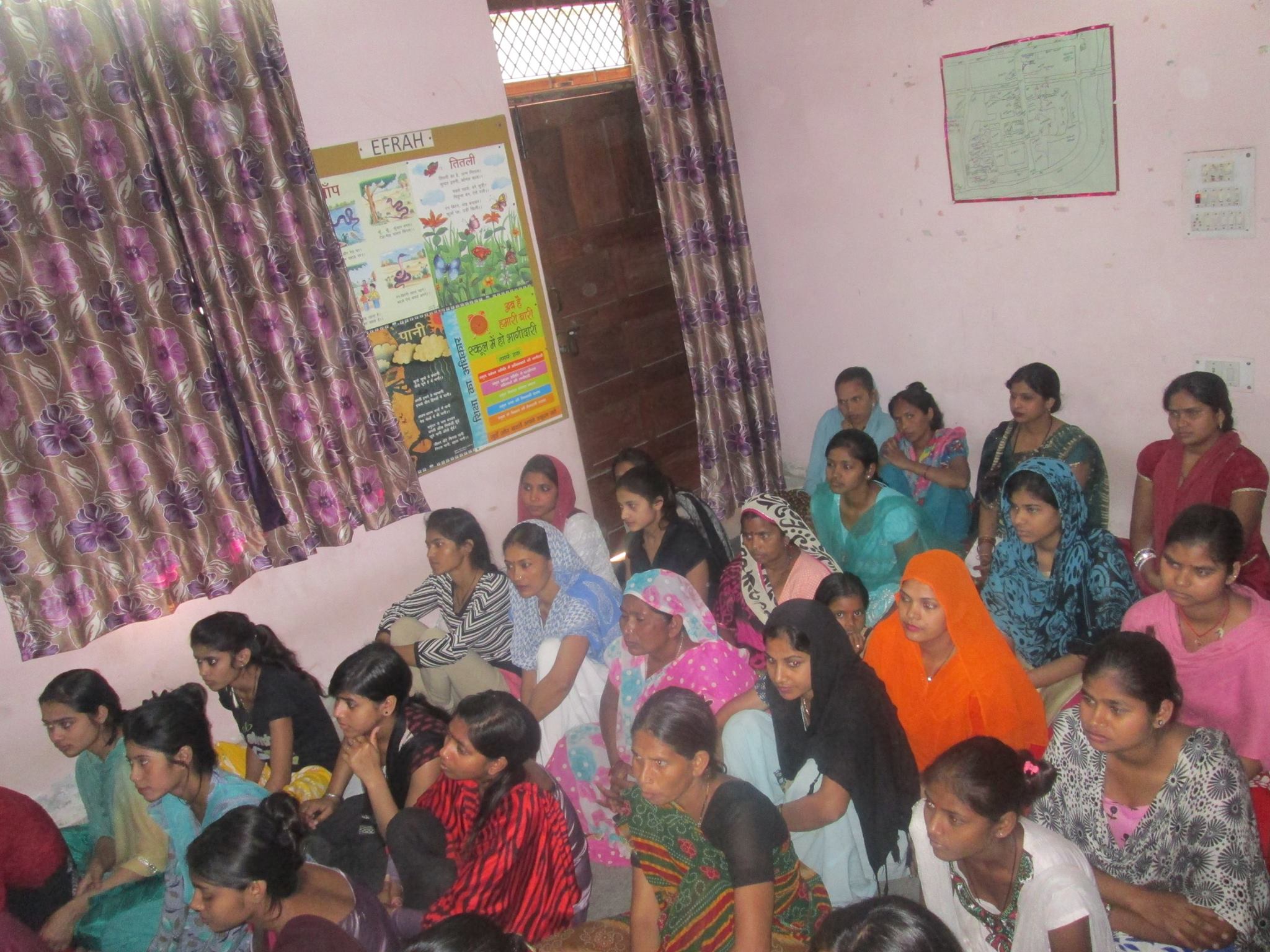
Women here are not educated beyond 8th standard (on an average) and are married at a very young age. However the present day mothers have a urge to make their girls educated however don’t have opportunities (or rather they don’t know about them, though it’s hard for them to get it). Organizations like EFRAH and HCLT Foundation are doing their best to create a change in this juncture.
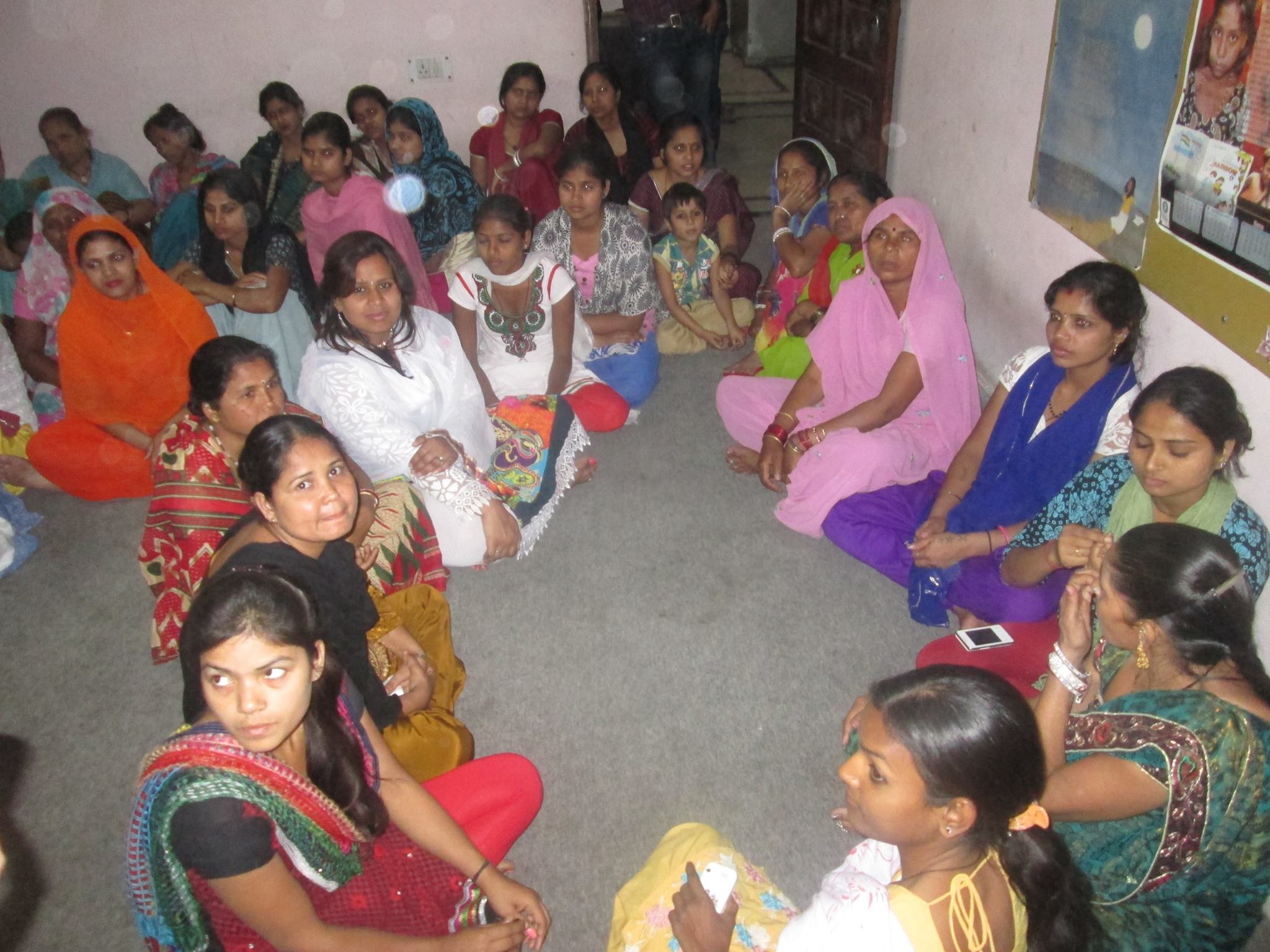
On 28th March 2015, Helping Brainz in association with HCLT Foundations conducted “ChaipeCharcha” at EFRAH’s center in Madanpur Khadar area. Around 40+ women [60% homemakers (aged between 18-70) , 40% students (aged between 14-18)] were (a) educated and empowered about their rights, (b) enlightened about the opportunities (both educational and entrepreneurial). HelpingBrainz on May 2nd 2015 would be conducting a Rural Educational Counselling Programme for the children and women, henceforth would be landing with numerous development initiatives (English Speaking, Educational Counselling, Health Check-Up camps, Entrepreneurship Programmes etc), which we would be implementing in the next 6 months. BHB Team-members Garima Kohli and Shubhangi Singhal educated the crowd about various health and hygiene standards, they also threw some light on woman’s diet and nutrition. From Team Helping Brainz we had Neeraj Shukla(Project Manager, Women Safety and Empowerment Campaigns) and Pratik Raj Bishen – a new bee in our family (Project Leader, Women Safety and Empowerment Campaigns), Ragini Singh (the youngest Helping Brainz however the dangerous) and Kumar Madhuraj (Project Leaders, CCRIDI Team) and Yedhu (speaker) 🙂
ChaipeCharcha – CRPF Camp, Dwarka 21/03/2015
“Can we soak their tears and heal the pain, and make them walk on the path of empowerment?”
When Delhi was praying during the auspicious morning hours of ‘Navratri’ and ‘Naoroz’, Helping Brainz was transferring the same energy and positivity to the ‘womanhood’, from CRPF Camp, Dwarka, in fact we conveyed our prayers in this way.
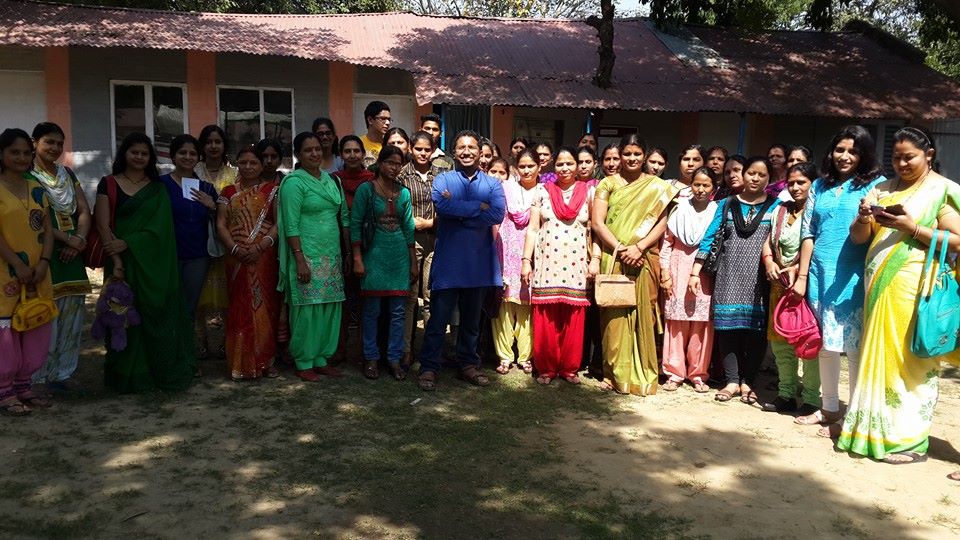
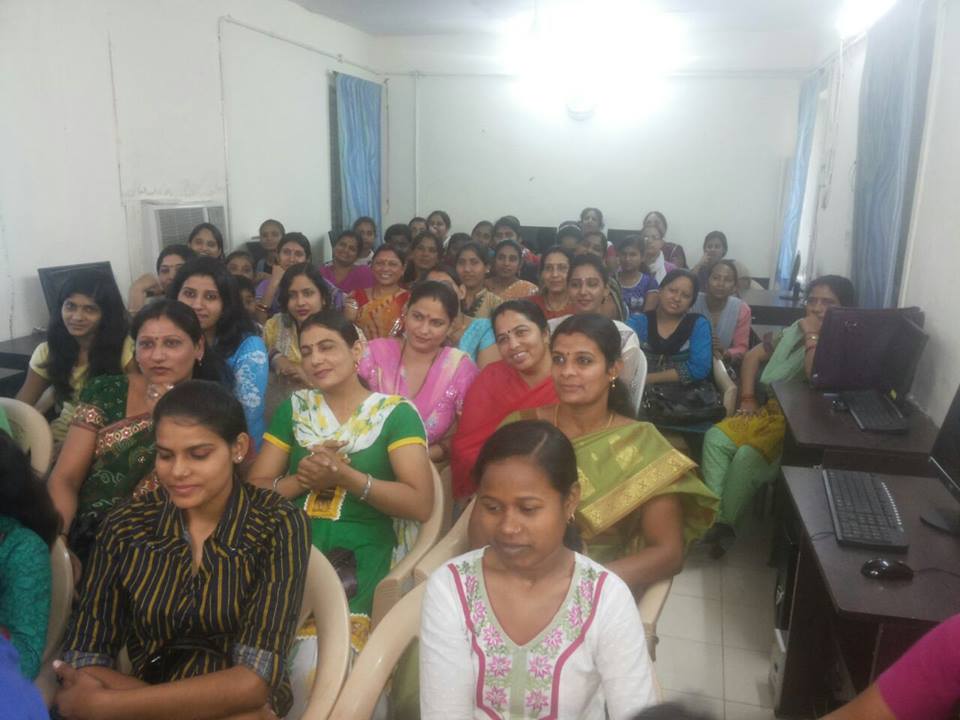
Helping Brainz conducted ‘Chaipecharcha’ for 50 women (approx.) of CRPF. The audience comprised of women who were wives, daughters and widows of CRPF Jawans. Today, women got an opportunity to express themselves. Helping Brainz did hold a 2 hours of fruitful discussion on the topics
– self motivation and empowerment
– discovering the Helping Brains in them
– healing & hearing
– encouraging communications
– women rights
– educational counseling
– women empowerment
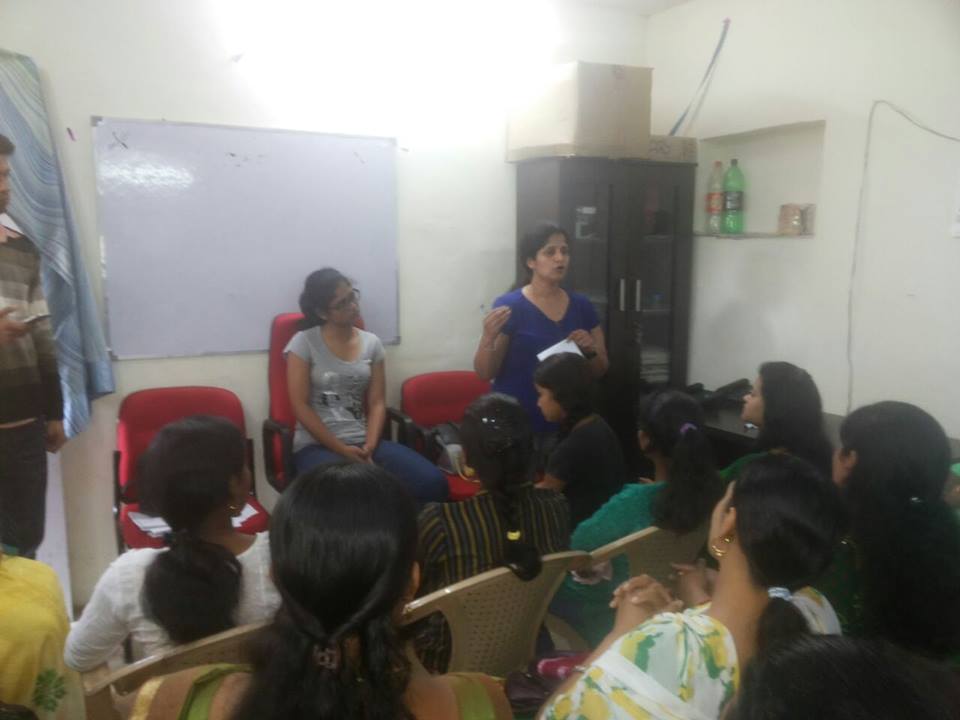
Also, Preena Nair, a Manager in a Gurgaon based MNC conducted a 15 minutes experienced sharing congress. Gitanshu (Project Leader – CCRIDI), the event controller – successfully connected the dots, Ravi Prakash (Project Leader – Child Empowerment) collated the data co Yedhu, as usual was the speaker 🙂
Post this event, Helping Brainz would be supplying study materials to the young women IAS aspirants, conducting a 6 series of empowerment and educational programmes in a span of 6 months, coordinated by Mahima Sahney and Neeraj Shukla.
Special Thanks to Abhinav from HCLT Foundations and Leena from Sahyog connecting us with the needy.
Posted from WordPress for Android
NGO vs Non-Profit Organizations
Many people do not understand the principles of, and the differences between, NGO and Non-profit organizations, even though they are well-known terms in the 21st century. First of all, to clarify, NGO stands for a non-governmental organization, and a non-profit organization can also be referred to as a NPO.
Non-governmental organizations are created by legal persons who are not part of the government. Although NGO funds are mostly raised by the government, they maintain a non-governmental position, and eliminate the need for a government council. This type of organization is also known as a civil society organization. There are forty thousand international NGOs in the world, with the most organizations found in India.
In 1945, after the establishment of the United Nations Organization, the non-governmental organizations became extremely popular. Although, before this time, there were other organizations, such as the famous Rotary International, that began its operation in 1904. By the end of the year 1914, there were one thousand and eighty three NGOs in existence. International NGOs played a vital role in the anti-slavery movement, as well as in the movement for women’s suffrage. The official definition of international NGOs was defined on February 27, 1950, by the resolution 288 (X) of the ECOSOC.
Various types of Non-governmental organizations include:
BINGO ‘“ Big International NGO
CSO ‘“ Civil Society Organization
DONGO ‘“ Donor Organized NGO
ENGO ‘“ Environmental NGO
GONGO ‘“ Government-operated NGOs
INGO ‘“ International NGO
QUANGO – Quasi-autonomous NGO
TANGO ‘“ Technical Assistance NGO
GSO ‘“ Grassroots Support Organization
MANGO – Market Advocacy Organization
On the other hand, the non-profit organization does not divide its extra funds between its shareholders, or owners, but uses them for the organization’s purposes. Examples of these organizations are public arts organizations, trade unions and charitable organizations. They offer services and programs through federal, local or state entities. Non-profit organizations hire management personnel, and aim to raise substantial funds. These organizations are service organizations or charities that are established for co-operative, trust or purely informal reasons. NPOs are also known as endowments, or foundations that have huge stock funds. A supporting organization is similar to a non-profit organization, and also operates as a foundation, but they have more complicated structures.
Non-profit organizations do have legal responsibilities, and these may include:
Supervision and management provisions
Economic activity
Accountability and Auditing provisions
Provisions for the dissolution of the entity
Tax status of corporate and private donors
Representation
Tax status of the foundation
Provision for the amendment of the statutes or articles of incorporation
To summarize, the differences between a non-profit organization and NGOs are:
1.The NGO is a non-governmental organization. Its funds are raised by the government, but it maintains a non-governmental position, with no need for a government council. They are also known as civil society organizations.
2.A non-profit organization uses its extra funds for the purpose of the organization, rather than dividing it between the shareholders and the owners of the organization. Examples of NPOs are public arts organizations, trade unions and charitable organizations.
Posted from WordPress for Android
Child Empowerment by Helping Brainz Bihar Team
Bihar, the 13th largest state in India is historically renowned state with powerful cultural heritage, educational importance, has the 6th oldest Engineering college in India, and many more, however the present day situations, the havoc created by politics and corruption, non-compliance towards the legal system have shattered the image however there are human beings who want to walk on the path of Development.
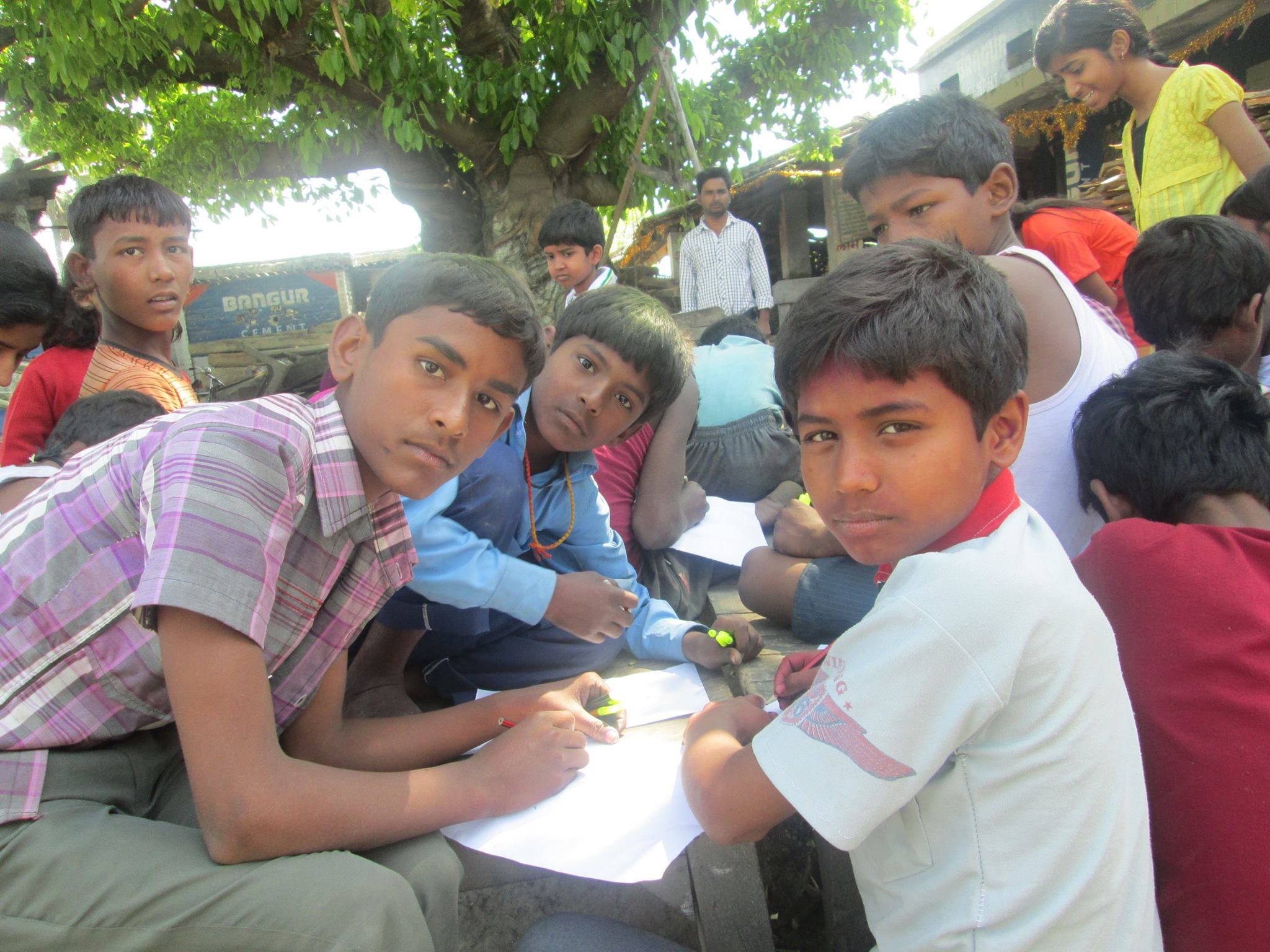
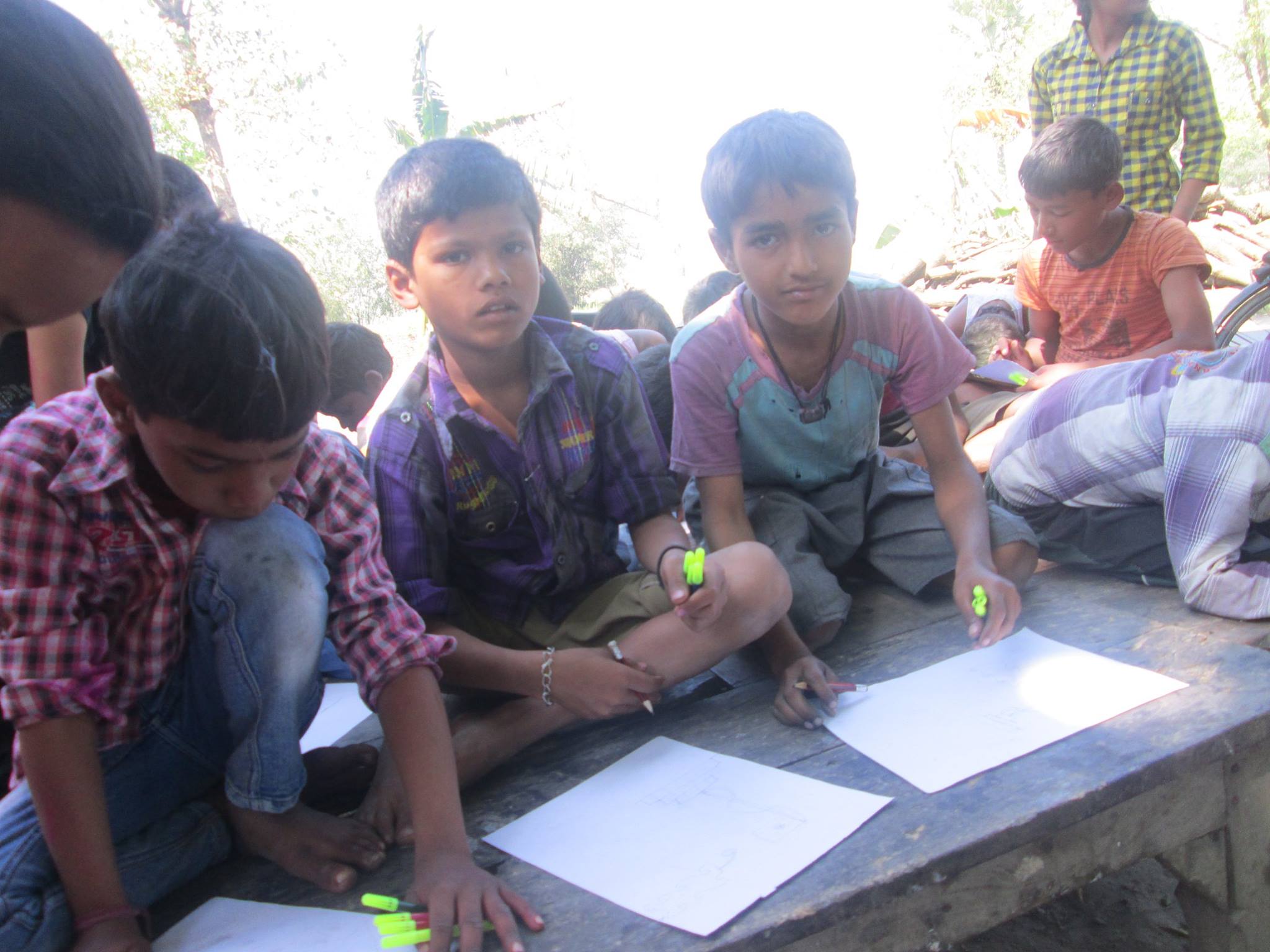
Helping Brainz in Siwan, Patna conducted a day long event for the underprivileged children from Chowki – Hassan, Siwan – Bihar 10th March 2015. Children are from financially weak backgrounds, wherein we found that they don’t have access to the basic amenities, school infrastructure, study materials, which the kids are supposed to have. A Kumar Madhuraj led event consisted of School Stationery donations, Paint Your Dreams Competition and Prize distributions. Kumar Madhuraj Solely sponsored all the donations.
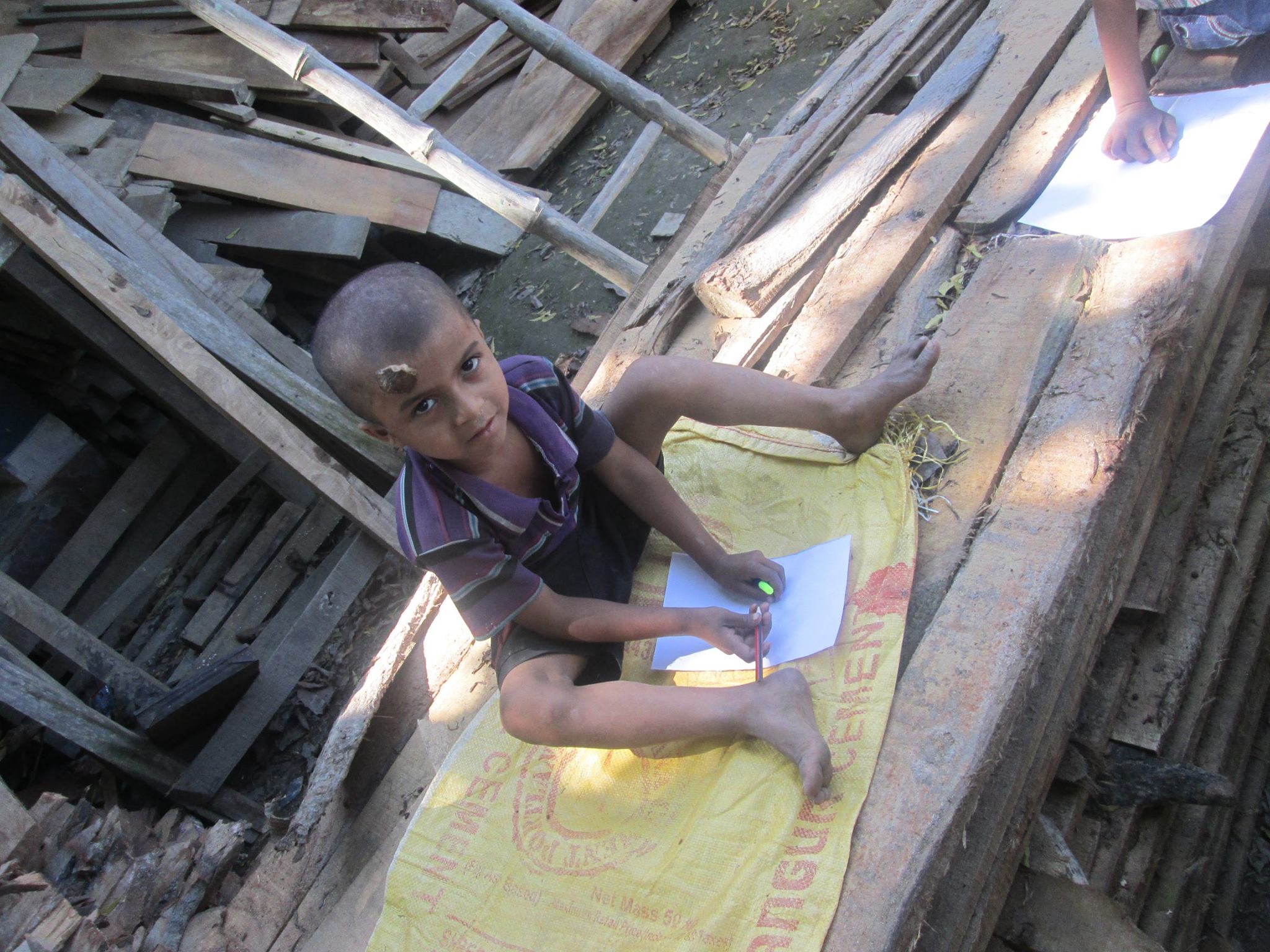
Kumar Madhuraj works as the Project Leader in the CCRID Initiatives ( Corporate Community Rural and Institutional Development Initiatives)
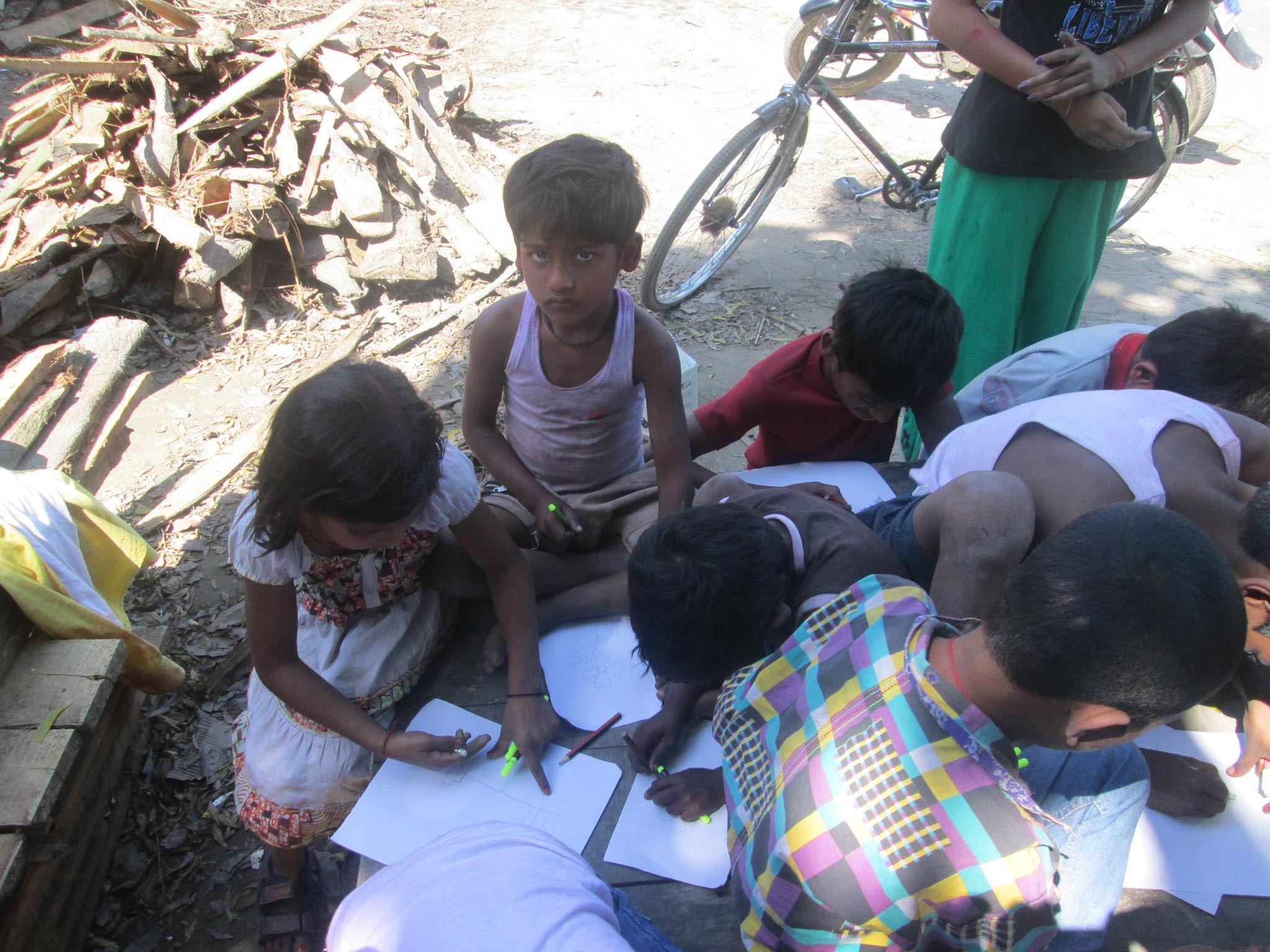
Helping Brainz would be conducting educational and child empowerment sessions in Bihar.
Experience Sharing Congress at an American Multi National Company, Gurgaon
Experience is the best teacher, is it ?
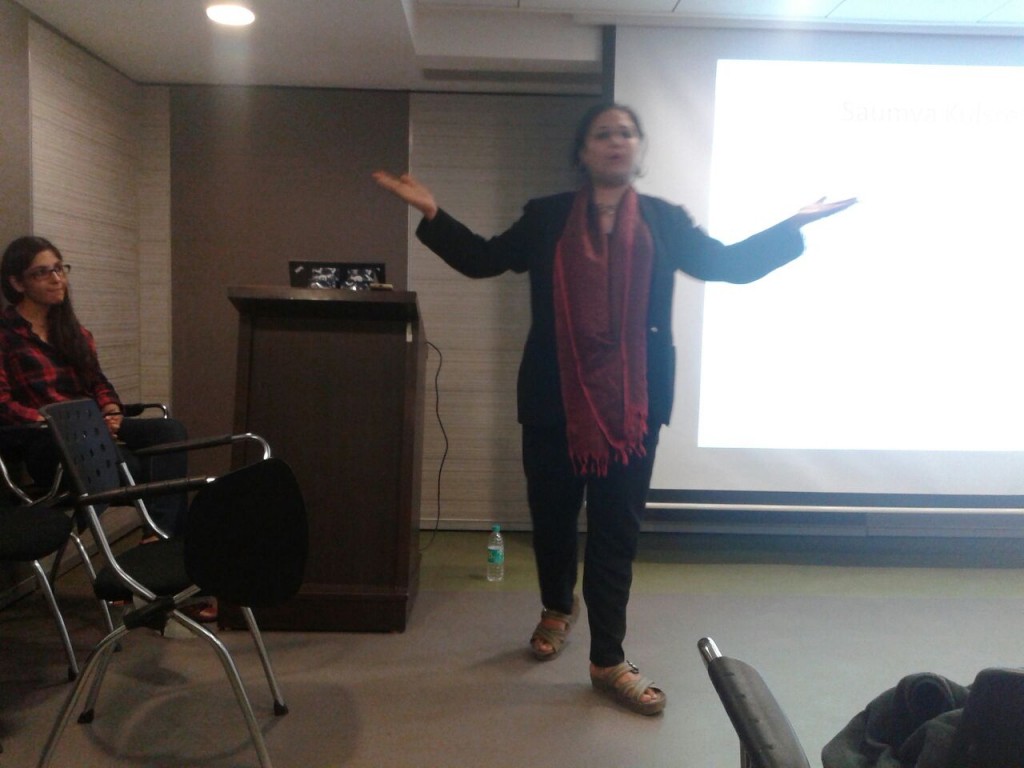
Helping Brainz today conducted an ‘experience sharing congress’ at an American Multi National Company in Gurgaon. Today’s experience congress focused on women empowerment and the programme was conducted on the account of a Week Long International Women’s Day Celebrations held organized by the Women-Interest-Network of the Organization wherein 4 women from 4 different walks of life shared their stunning experiences on how they came out of the firewalls and became a changemaker, how they’re motivating 1000s around them to become a changemaker.
Women who stole the show were,
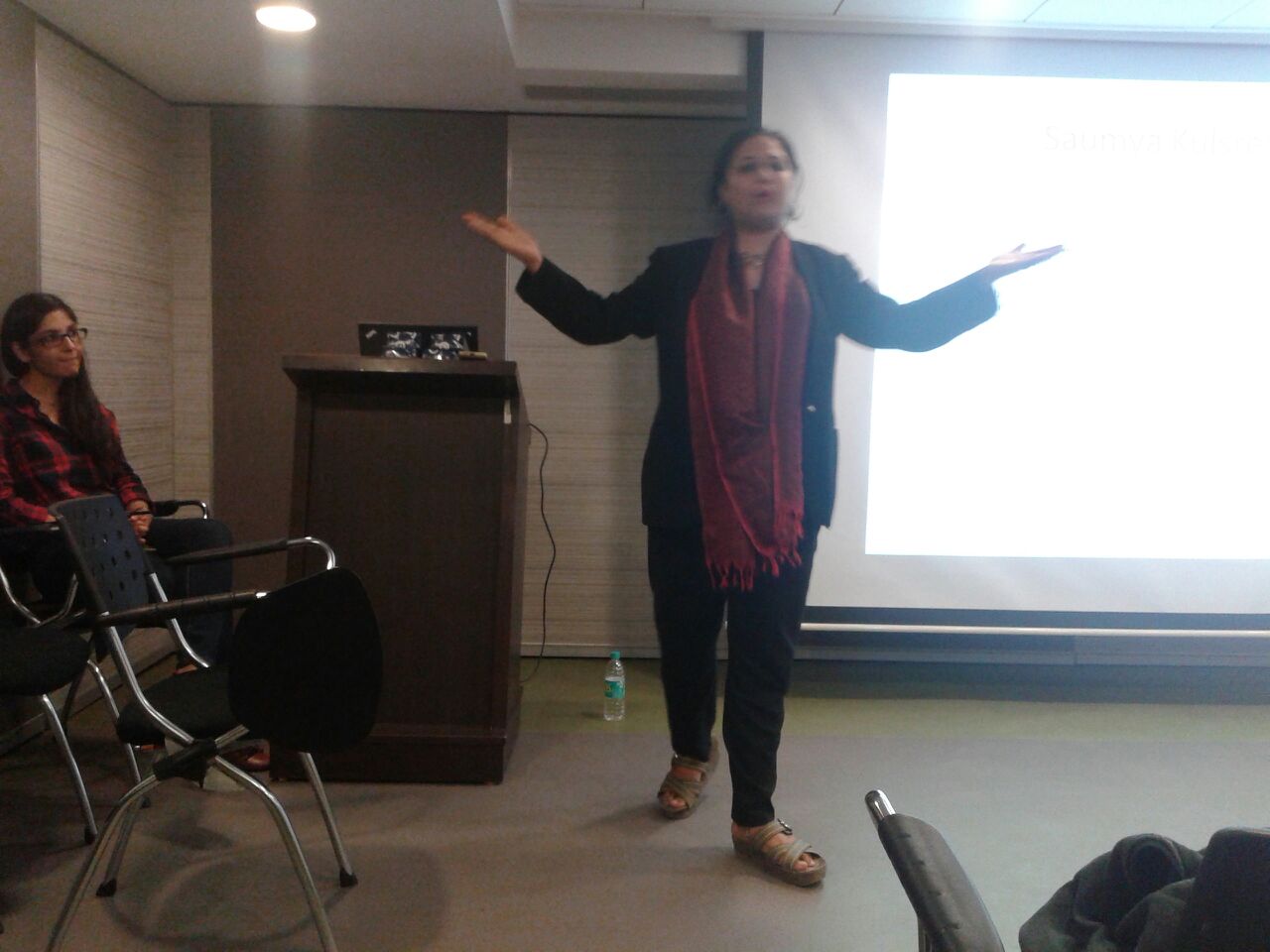
- Saumya Kulreshtha, a changemaker, who empowers and motivates many through her blog and poetry skills and also who encourages people to ‘communicate their expressions’ (Saumya and Helping Brainz shares a common understanding to the common-public that ‘communication’ can even cure cancer, the most dreadful, so why can’t we use the same for human empowerment!)
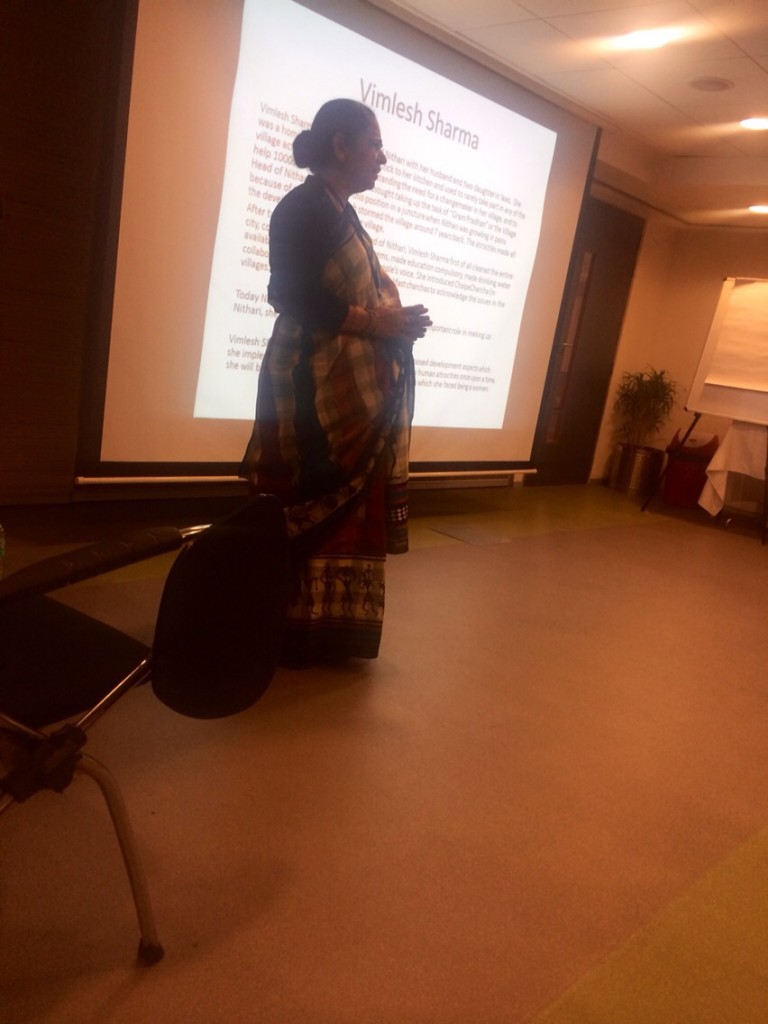
- Vimlesh Sharma Ma’am, the visionary gram pradhan of Nithari Village (who changed the design of Nithari),
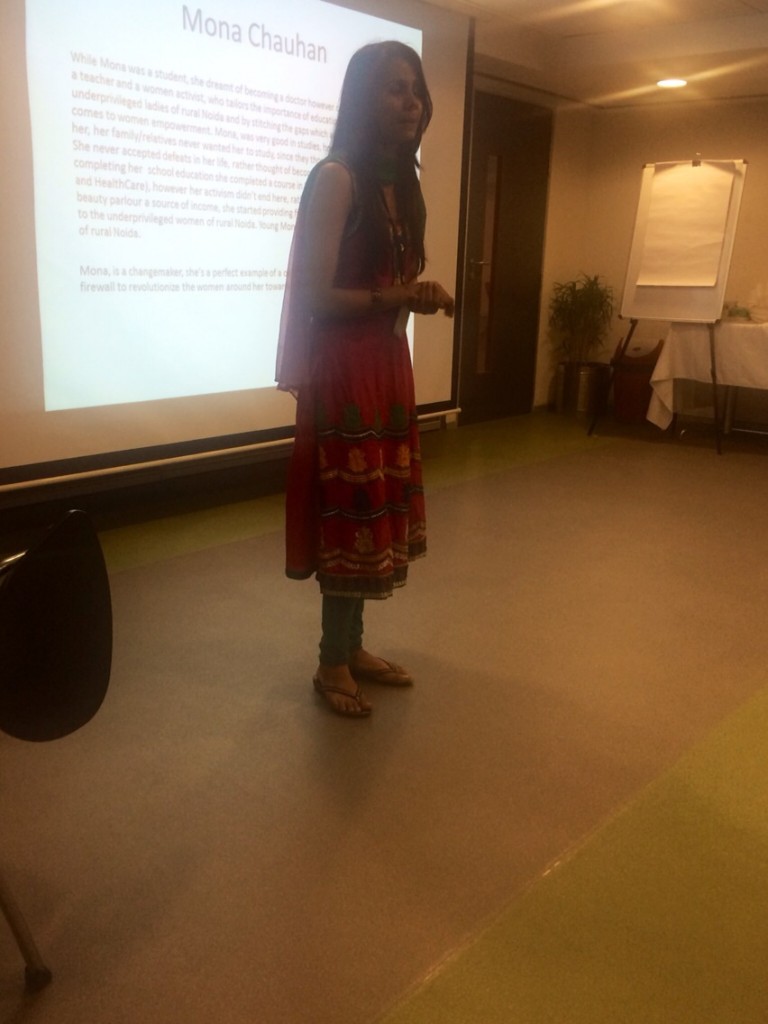
 Mona Chauhan, an entrepreneur, a leader, a changemaker who changed the life of 300+ underprivileged women of rural Noida, last however not the least,
 Tulsi – just in Class 8th and a Bal Panchayat General Secretary, environmentalist, who cleaned MadanPur Khadar area, encourages 100s of young lads of Nithari to walk on the path of development.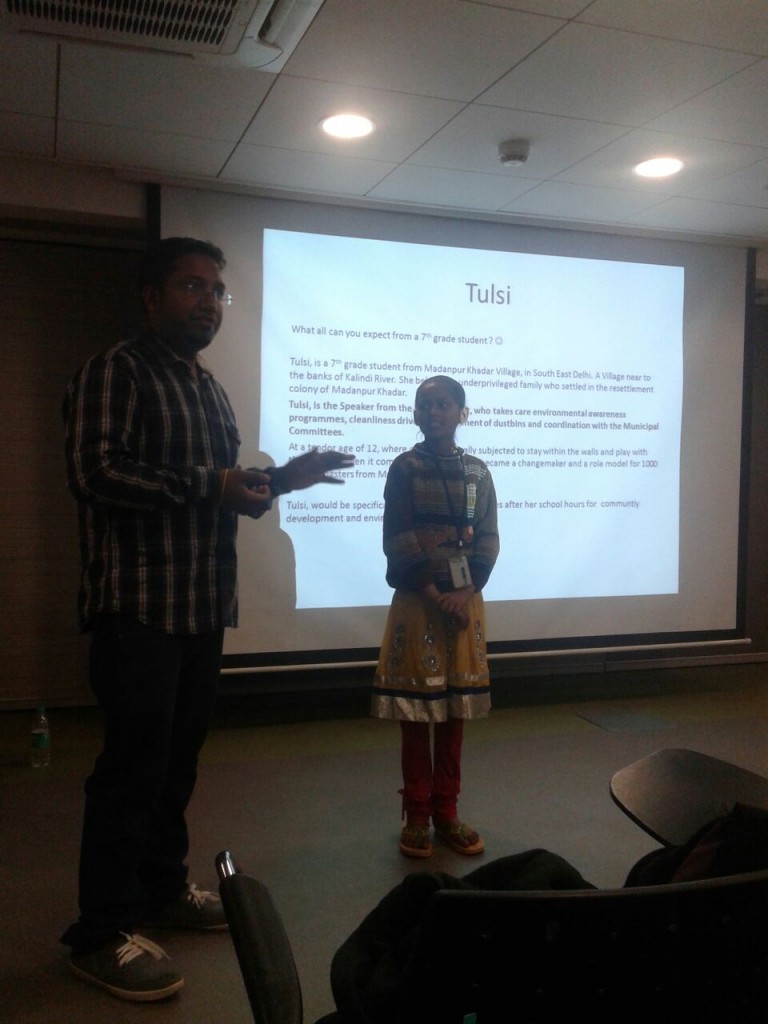
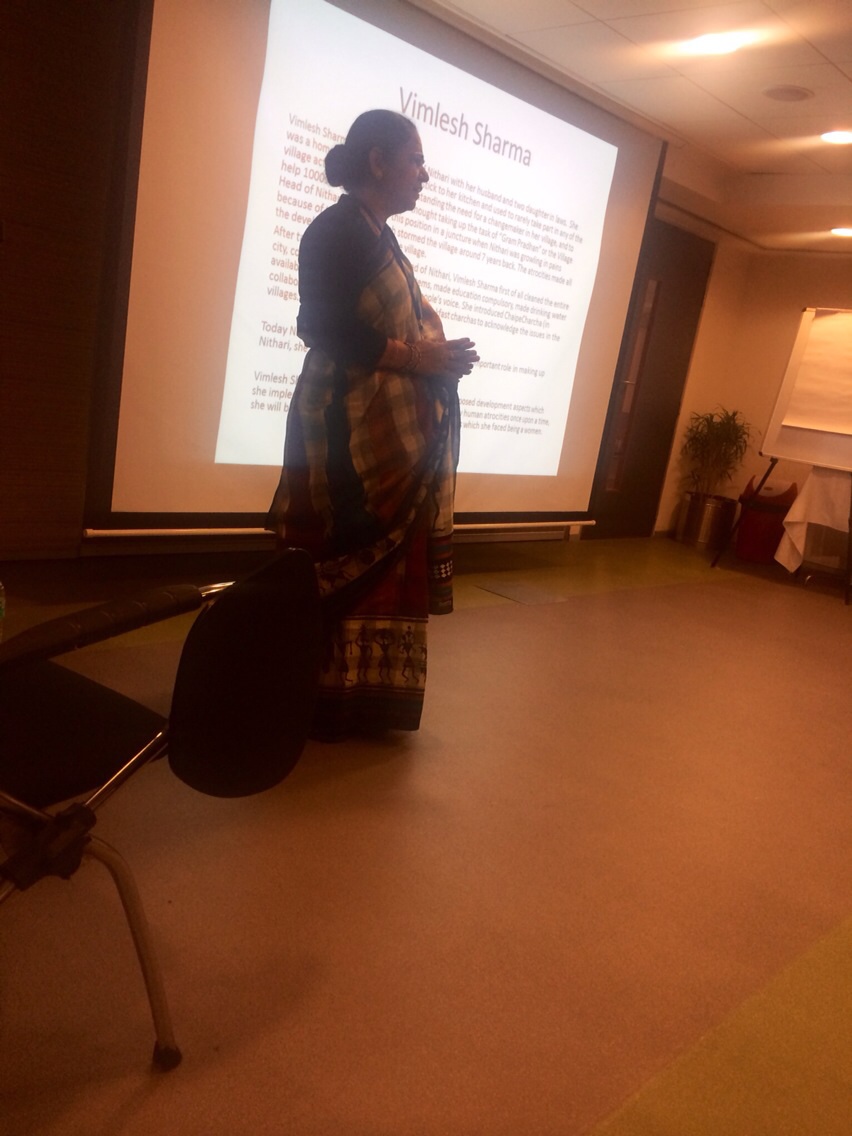
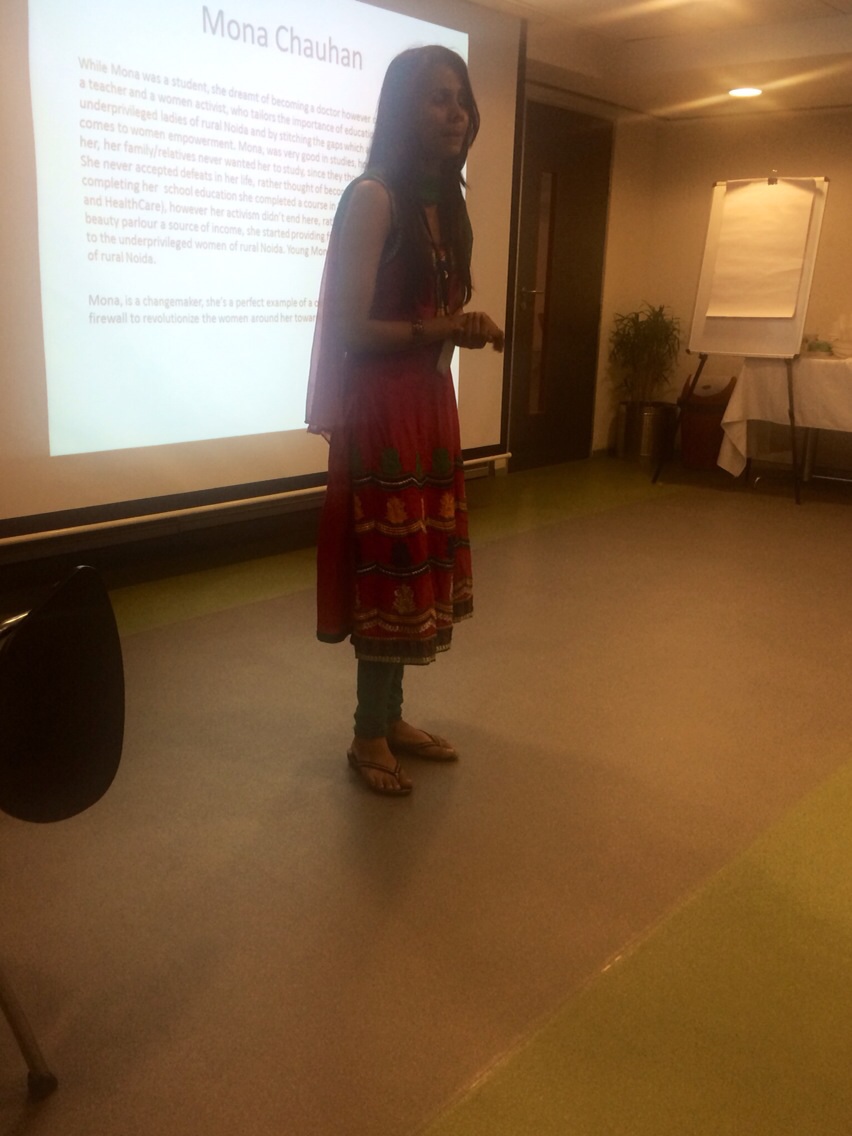
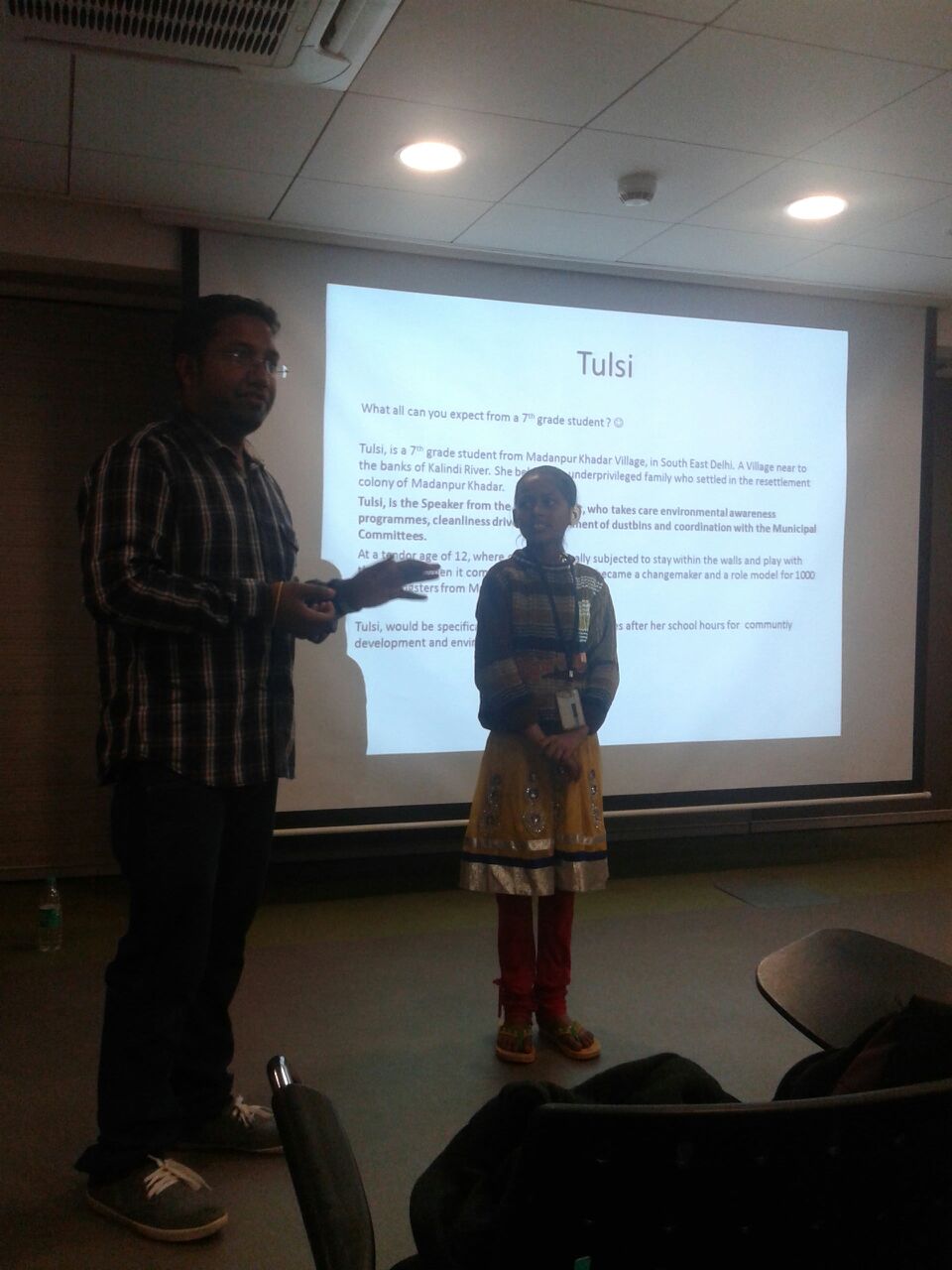
Experience Sharing Congresses are a powerful tool Helping Brainz is conducting for the past 2 years for empowering women, re-programming and debugging human brains (human mentality).
Helping Brainz wants to thank everyone who contributed selflessly for this big, life changing happening! A women is the mother of all evolution, behind every happening we’ve a women, let’s respect this incarnation. Let’s be human to her.
10 Legal Rights every women should know
Knowing the times that we are in, we give you, yet again, an overview of some important legal rights for women that every one must be aware of.
1 Free legal aid
Exercise your right to free legal aid. Often, women go to the police station unaccompanied by a lawyer to get their statement recorded, and they stand the risk of being misquoted or their statement being tampered with. The police may also treat the entire episode lightly and not lodge an FIR. So, it is necessary to have a lawyer with you while you lodge the FIR. “According to a Delhi High Court ruling, whenever a rape is reported, the SHO has to bring this to the notice of the Delhi Legal Services Authority. The legal body then arranges for a lawyer for the victim,” says Saumya Bhaumik, women rights lawyer.
2 Right to privacy while recording statement
Under section 164 of the Criminal Procedure Code, a woman who has been raped can record her statement before the district magistrate when the case is under trial, and no one else needs to be present. Alternatively, she can record the statement with only one police officer and woman constable in a convenient place that is not crowded and does not provide any possibility of the statement being overheard by a fourth person. The cops have to, by law, upkeep the woman’s right to privacy. It’s important for the person to feel comfortable and not be under any kind of stress while narrating the incident.
3 Time doesn’t matter
The police cannot refuse to register an FIR even if a considerable period of time has elapsed since the incident of rape or molestation took place. If the police tells you that they can’t lodge your FIR since you didn’t report it earlier, do not concede. “Rape is a horrifying incident for any woman, so it’s natural for her to go into shock and not want to report it immediately. She may also fear for her safety and the reputation and dignity of her family. For this reason, the Supreme Court has ruled that the police must register an FIR even if there has been a gap between the report and the occurrence of the incident,” says Tariq Abeed, advocate, Supreme Court.
4 Email to the rescue
According to the guidelines issued by the Delhi Police, a woman has the privilege of lodging a complaint via email or registered post. If, for some reason, a woman can’t go to the police station, she can send a written complaint through an email or registered post addressed to a senior police officer of the level of Deputy Commissioner or Commissioner of Police. The officer then directs the SHO of the police station, of the area where the incident occurred, to conduct proper verification of the complainant and lodge an FIR. The police can then come over to the residence of the victim to take her statement.
5 Cops can’t say no
Arape victim can register her police complaint from any police station under the Zero FIR ruling by Supreme Court. “Sometimes, the police station under which the incident occurs refuses to register the victim’s complaint in order to keep clear of responsibility, and tries sending the victim to another police station. In such cases, she has the right to lodge an FIR at any police station in the city under the Zero FIR ruling. The senior officer will then direct the SHO of the concerned police station to lodge the FIR,” says Abeed. This is a Supreme Court ruling that not many women are aware of, so don’t let the SHO of a police station send you away saying it “doesn’t come under his area”.
6 No arrests after sunset
According to a Supreme Court ruling, a woman cannot be arrested after sunset and before sunrise. There are many cases of women being harassed by the police at wee hours, but all this can be avoided if you exercise the right of being present in the police station only during daytime. “Even if there is a woman constable accompanying the officers, the police can’t arrest a woman at night. In case the woman has committed a serious crime, the police has to get it in writing from the magistrate explaining why the arrest is necessary during the night,” says Bhaumik.
7 You can’t be called to the police station
Women cannot be called to the police station for interrogation under Section 160 of the Criminal Procedure Code. This law provides Indian women the right of not being physically present at the police station for interrogation. “The police can interrogate a woman at her residence in the presence of a woman constable and family members or friends,” says Abeed. So, the next time you’re called to the police station for queries or interrogation when you have faced any kind of harassment, quote this guideline of the Supreme Court to exercise your right and remind the cops about it.
8 Protect your identity
Under no circumstances can the identity of a rape victim be revealed. Neither the police nor media can make known the name of the victim in public. Section 228-A of the Indian Penal Code makes the disclosure of a victim’s identity a punishable offense. Printing or publishing the name or any matter which may make known the identity of a woman against whom an offense has been committed is punishable. This is done to prevent social victimisation or ostracism of the victim of a sexual offense. Even while a judgment is in progress at the high court or a lower court, the name of the victim is not indicated, she is only described as ‘victim’ in the judgment.
9 The doctor can’t decide
Acase of rape can’t be dismissed even if the doctor says rape had not taken place. A victim of rape needs to be medically examined as per Section 164 A of the Criminal Procedure Code, and only the report can act as proof. “A woman has the right to have a copy of the medical report from the doctor. Rape is crime and not a medical condition. It is a legal term and not a diagnosis to be made by the medical officer treating the victim. The only statement that can be made by the medical officer is that there is evidence of recent sexual activity. Whether the rape has occurred or not is a legal conclusion and the doctor can’t decide on this,” explains Bhaumik.
10 Employers must protect
It is the duty of every employer to create a Sexual Harassment Complaints Committee within the organisation for redressal of such complaints. According to a guideline issued by the Supreme Court, it is mandatory for all firms, public and private, to set up these committees to resolve matters of sexual harassment. It is also necessary that the committee be headed by a woman and comprise 50% women as members. Also, one of the members should be from a women’s welfare group.
Source : Hindustan Times
I donate Love – Romania
The campaign ‘I Donate Love’ was held by Helping Brainz Romania chapter at Da Camel club Cluj on Thursday, 11 December 2014 at 18:00–23:00 in UTC+02.
The event was an initiative of team Helping Brainz (Romania) fully driven by Yaja Vergara Bonilla to spend some quality time with the lesser privileged children from Romania and create a meaningful connection with them while enjoying together an original Christmas dinner ( which included delicacies from India cuisine) . The Moto, “Because nobody buys Christmas memories with pocket change” itself explained the spirit of the team.

The main objective of the event was to spread one of Helping Brainz’s statements,”We believe that Social work is more than Philanthropy, Sympathy, Empathy and Donations,” followed by the other objectives like, to promote a multicultural atmosphere where a significant number of people from different nationalities, specially from non EU countries, as Latin-American, African, Indian, and Arabic communities living in Cluj Napoca can exchange ideas and share their companionship. To create a meaningful connection between the children and the participants. To help the children improve the art skills and stimulate their creativity. To show the participants and specially the children, the reality of the other kids in India live and what Helping Brainz Organization do in order to promote the child empowerment and lastly, to collect a voluntary economic contribution aimed to support the activity of the beneficiary institution.

The evening opened with an Indian dance performance, followed by an Ice breaker activity between the participants and welcome words. This was further followed by a video presentation of the rapport of Helping Brainz activities on child empowerment. It was a short video about Team HelpingBrainz’s message about the issues related to a lot of less privileged children and also a special message from the Indian children including a few words in Romanian for Romanian kids.
The above warming events were followed by the painting competition called “Let’s encourage each other” drawing contest. The contest’s objective was to motivate the children to draw and paint together, with the young immigrants and participants in general, something related to their future goals and were further taught the importance of dreams. Teams were made in such an order that the participants could interact as much as possible with the kids and help them draw and also all the teams had people from different nationalities along with a Romanian speaker so that the team could share much on culture also. After the Price awarding ceremony for the first and second places, in which the judges selected two best paintings and the two prize winners had to explain their drawings, gifts were exchanged, and everybody went for the Christmas dinner.

At the end of the evening, a voluntary amount of money was asked from the participants. The event ended with the words of gratitude and a vote of thanks.
A video for the event was also made which can further be used for encouraging Indian kids in future children empowerment events that are organized by Helping Brainz.


